Train Your Brain Like You Train Your Body
High performance isn’t just physical. It’s how you think, focus, adapt, and respond under pressure. I support athletes train their brains the same way they train their bodies — with intention, repetition, and tools that hold up when it counts.
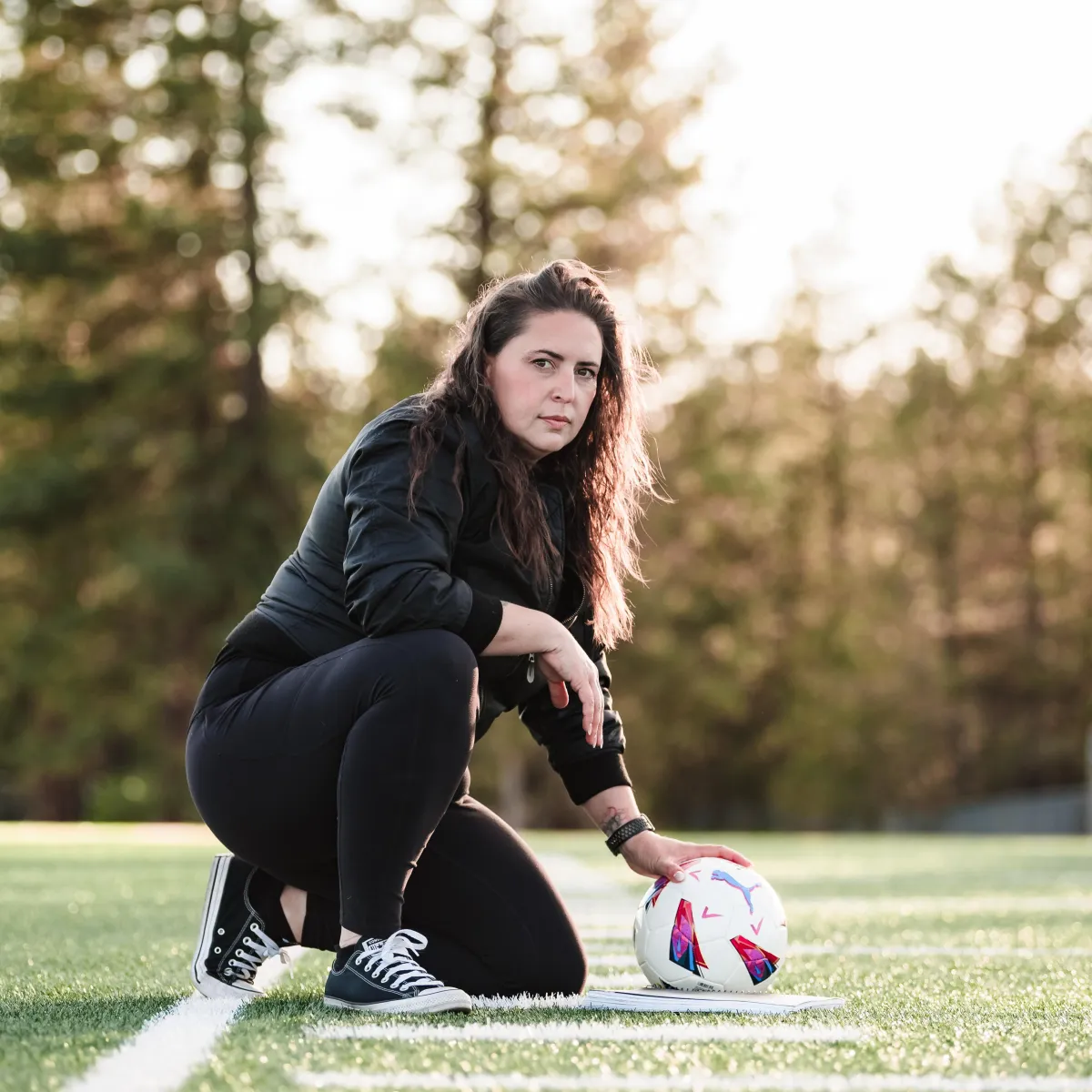
Your Sport Is Demanding. Your Mind Has to Keep Up.
High-level sport demands consistency, precision, and composure — even when the stakes are high.
But no one teaches athletes how to train the mental side with the same structure as physical skills.
So when confidence drops, focus slips, or pressure shows up out of nowhere, athletes assume something is wrong with them.
It’s not.
It’s a training gap.
Mental skills are trainable. And when trained well, they become an edge.
What Athletes Actually Struggle With
The part of sport no one puts on highlight reels.
Hesitating or freezing on skills you already own
Confidence that depends on one good practice
Overthinking instead of trusting execution
Mental fatigue late in competition
Pressure from expectations outside your control
Difficulty advocating for yourself as an athlete
Knowing when to push and when to reset
These aren’t mindset problems.
They’re untrained performance skills.

How Mental Skills Training Works
Focused. Applied. Performance-Driven.
This isn’t therapy.
It’s not motivation.
And it’s not visualization-only coaching.
This is structured mental skills training grounded in performance psychology, neuroscience, and applied learning principles.
We train skills like:
Focus and attention control during competition
Confidence that stays steady when conditions change
Emotional control without shutting down intensity
Fast recovery after mistakes or missed attempts
Pre-competition routines that sharpen execution
Post-competition reviews that improve learning instead of self-criticism
Everything we work on has one goal: helping your training show up when it matters.
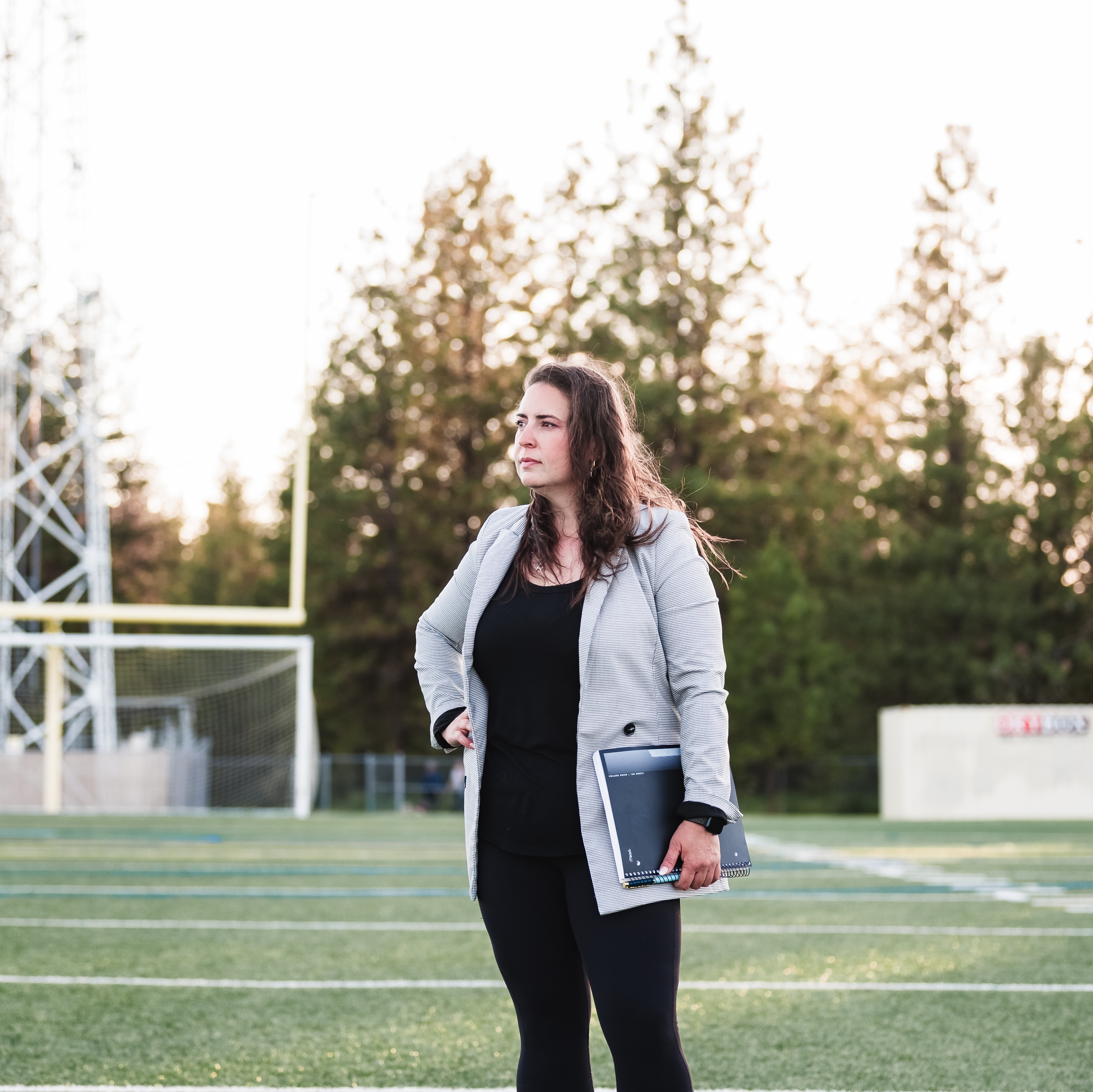
The Athlete–Coach–Parent Dynamic
Aligned support builds better performance.
Even individual athletes don’t perform alone.
Behind every competition is a coach, a parent, and an environment that can either sharpen or interfere with performance.
Here’s how I work within that system:
The athlete is the priority. Their goals, experience, and performance come first.
Coaches are collaborators. I support mental skill integration into training and communication when it strengthens performance.
Parents are supported with boundaries. I help families encourage growth without adding pressure or control.
Clear roles lead to clearer performance.
The Science Behind a Competitive Edge
Meet Coach Stephanie
I’m Stephanie — a Performance Psychology Coach with a Master’s in (Sports &) Performance Psychology and I'm a PhD student in Psychology in progress, focused on trauma, resilience, and human performance.
My work sits at the intersection of psychology, neuroscience, and high-level sport.
I support athletes in developing the mental skills most programs ignore — the ones that determine whether training shows up under pressure.
As a triathlete, marathoner, gymnast, and lifter, I understand the mental load of sport: the pressure, the injuries, the expectations, and the drive to keep pushing.
If you want your mental game to become an advantage instead of a liability, this is where we train it.

Frequently Asked Questions
Is this therapy?
No. This is mental skills training for performance, focused on developing focus, confidence, recovery, and execution under pressure. It is science-backed and skill-based, not clinical treatment.
That said, this work is held to high ethical and professional standards, including confidentiality, informed consent, and respect for the athlete’s well-being — similar to those upheld in licensed practice.
Who is this for?
This work is designed for athletes who train hard and want their mental game to match their physical ability. I support youth, collegiate, and adult athletes across individual and team sports.
My primary focus is on teens and young adults. I do work with athletes as young as 10, but that decision is based on brain development and readiness for this type of skill-based training — not personal preference.
Motivation matters. If coaching is being initiated by a parent or coach, the athlete must be genuinely interested in participating. Mental skills training requires effort, curiosity, and a willingness to engage in the process. This work isn’t passive, and it isn’t for everyone.
Athletes who get the most out of this work are those who are ready to take ownership of their development and do the hard work required to improve.
Will this help with confidence, fear, anxiety, or pressure?
Yes, that's exactly what this kind of training is for. The focus is on training how to perform when pressure rises — not avoiding pressure or trying to eliminate nerves. We work on strengthening focus, regulating emotional responses, and recovering quickly after mistakes so one moment doesn’t derail an entire performance.
Rather than chasing confidence or forcing calm, we train skills that support consistency: staying present, resetting efficiently, and executing even when conditions aren’t perfect. The goal is for your performance to hold steady when it matters most — not just when things are going well.
Do you work with whole teams or just individuals?
Yes. I offer team workshops, pre-season training, and group mental skills sessions designed to support shared language, consistency, and performance under pressure.
Some of my most effective work happens in collaboration with coaches — integrating mental skills directly into physical training, practice structure, and competition preparation. This includes running drills, refining routines, and ensuring the tools athletes learn translate onto the floor, field, or mat rather than staying theoretical.
Trusted By Athletes

"Stephanie helped me rebuild my confidence and sharpen my mental game after a tough season. Her coaching gave me the tools to stay focused, bounce back from setbacks, and compete with clarity. It’s been a game-changer for my performance."
Marc M.
Snowmobiler
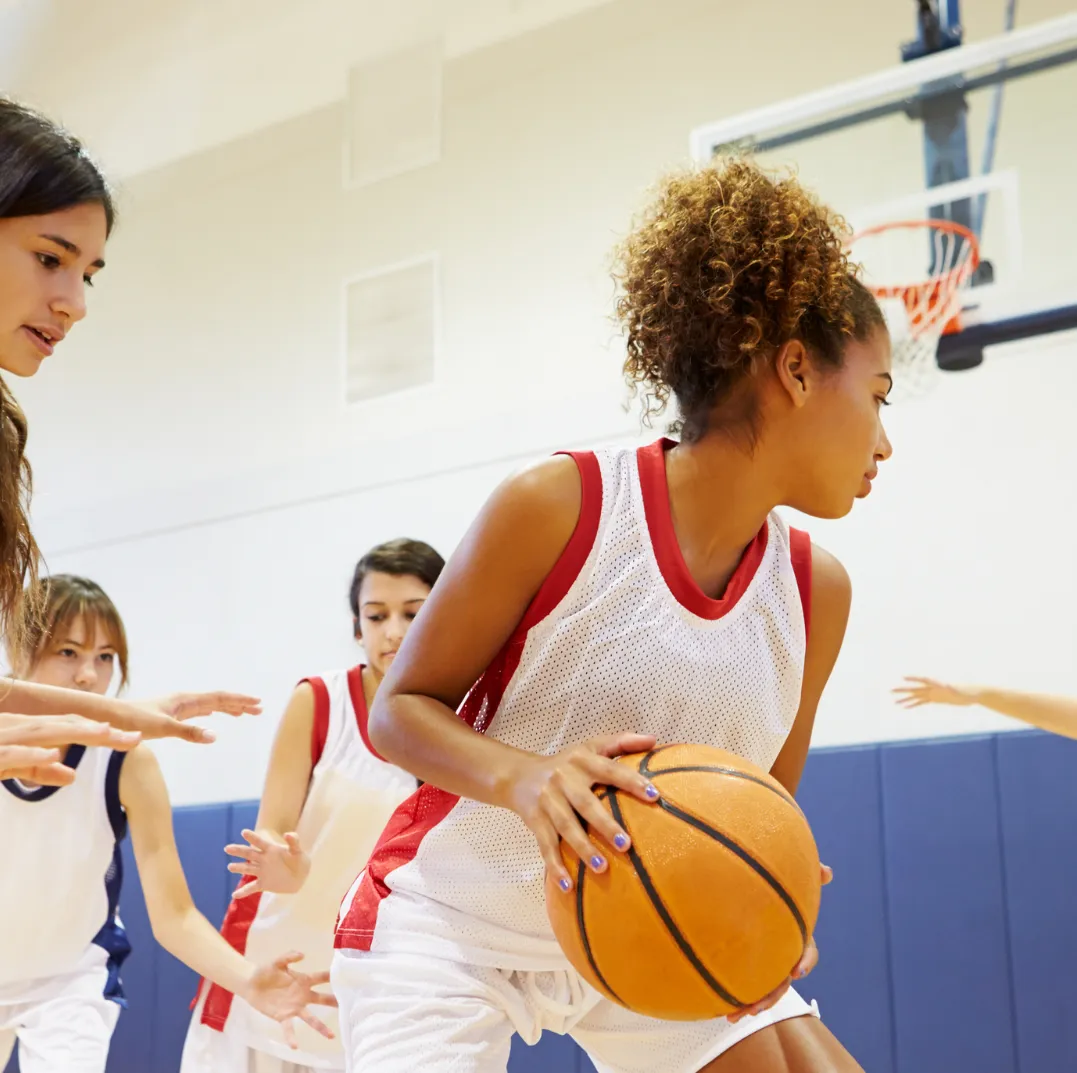
“Basketball used to feel mental for me in the worst way. One mistake would throw off the rest of my game. Stephanie helped me train how to stay present, recover quicker, and keep competing instead of overthinking. I feel more in control under pressure now.”
Alyssa K.
Student-Athlete, Basketball
Trusted by Teams and Organizations




Compassionate, confidential support designed to help individuals and teams manage stress, regulate emotions, and perform consistently in high-pressure environments.


© Kaizen Catalyst. 2021-2026. All Rights Reserved.